


For decades, the appearance of the first silver strand felt like an emergency call to the salon. In the US, the “standard” was simple: hide it, cover it, and repeat every three weeks. But a massive shift is happening in the aisles of Target and the high-end salons of NYC and LA alike.
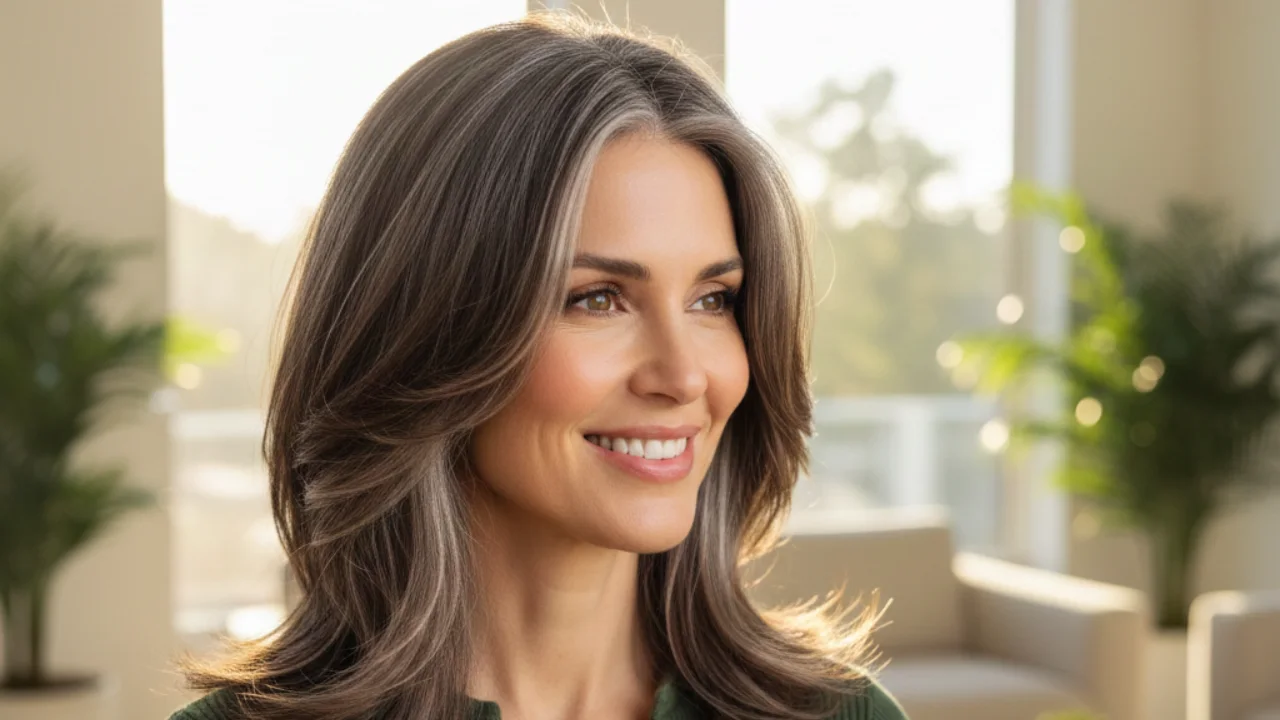
Modern women are moving away from the “inked-on,” flat look of permanent dyes and toward a softer, more sophisticated approach known as Grey Blending. This isn’t just about saving money at the salon—it’s about hair health, embracing the “New Natural,” and using gentle ingredients that won’t leave your strands brittle.
The Science of the “Silver Shift”
To understand why our hair changes, we have to look at the scalp. Every hair follicle contains melanocytes—cells that produce melanin (your natural pigment). As we age (or due to genetics and stress), these cells slow down. When they stop altogether, the hair grows out without pigment.
Because grey hair lacks melanin and often coincides with a decrease in the scalp’s natural oils (sebum), the texture changes too. It’s not just a different color; it’s often wirier, drier, and more prone to frizz. This is exactly why traditional, harsh chemical dyes are becoming less popular—they further strip the moisture from hair that is already thirsty.
The Problem with the “Salon Cycle”
Traditional permanent dyes use ammonia to lift the hair cuticle and deposit color deep inside. While this provides 100% coverage, it creates a “harsh regrowth line.” Within 14 days, that bright white “skunk stripe” appears at the part, forcing you back into the chair.
Today’s American lifestyle is busy. Between Pilates, school runs, and hybrid work, many of us want a solution that looks good even when we’re two weeks late for an appointment. Enter: Low-Maintenance Blending.
The Viral DIY Trick: The Cocoa Powder Gloss
One of the biggest trends gaining traction in the “Clean Beauty” community is using unsweetened cocoa powder to soften the contrast of greys. This isn’t a permanent dye, but rather a natural stain that adds a translucent veil of color.
Why Cocoa?
Cocoa is rich in polyphenols and natural pigments. When applied to the hair, it doesn’t change the internal structure. Instead, it coats the hair, adding a warm, chocolatey tone that makes white hairs look like intentional highlights rather than stark “missed spots.”
How to Do the Cocoa Gloss at Home
This is a favorite for women with light to medium brown hair who want to avoid chemicals.
- The Mix: Combine 2 tablespoons of unsweetened cocoa powder with 1/2 cup of your favorite silicone-free white conditioner.
- The Application: Apply to clean, damp hair, focusing specifically on the temples and the part line.
- The Wait: Let it sit for 20–30 minutes. Use a shower cap to trap your scalp’s natural heat, which helps the pigment “take.”
- The Rinse: Rinse with cool water. Do not shampoo for at least 24 hours to let the stain set.
| Base Hair Color | Expected Result | Recommended Frequency |
| Light Brown | Warm, honey-toned blending | 2x per week |
| Medium/Dark Brown | Richer dimension, greys look like “babylights” | 1x per week |
| Black | High shine, very subtle tint on greys | Every 10 days |
| Blonde | Not recommended (can look muddy) | Avoid |
Professional USA Trends: Herringbone Highlights & Silver Glow
If you aren’t a DIY person, American stylists have pioneered “Herringbone Highlights.” Popularized by celebrities like Sarah Jessica Parker and Jennifer Aniston, this technique weaves various shades of cool and warm highlights around the grey strands in a diagonal pattern.
Instead of fighting the grey, the stylist incorporates it into the color palette. The result? You can go 3–4 months without a touch-up because the regrowth is camouflaged by the pattern.
4 Tips for Living with the “New Natural”
- Hydrate, Hydrate, Hydrate: Since grey hair is naturally drier, swap your regular conditioner for a deep-conditioning mask once a week.
- Use a Purple Shampoo (Sparingly): If you are letting your silver shine, use a violet-toned shampoo once every two weeks to keep it from turning yellow due to sun exposure and tap water minerals.
- Clarify: Natural treatments like cocoa or tea rinses can build up. Use a clarifying shampoo once a month to keep your hair bouncy.
- Focus on Shine: Grey hair doesn’t reflect light as well as pigmented hair. Use a lightweight hair oil (like Argan or Jojoba) to add that youthful “glow.”
FAQs: Everything You Need to Know
Q: Will cocoa powder stain my pillowcase?
A: If you rinse thoroughly until the water runs clear, it shouldn’t! However, we always recommend using a dark pillowcase or a silk hair wrap the night you do a treatment.
Q: Can I use coffee instead of cocoa?
A: Yes! Strong brewed espresso or coffee grounds can be used, but coffee tends to have a cooler, ashier tone, while cocoa provides a warmer, golden-brown glow.
Q: Does grey blending work for 100% white hair?
A: If you are fully white, “blending” usually shifts into “toning.” You might use these methods to give your white hair a “platinum” or “champagne” finish rather than trying to make it brown again.
Q: How do I stop the “wiry” texture of grey hair?
A: This is usually a moisture issue. Look for products containing hyaluronic acid or glycerin, which help the hair shaft retain water.
Conclusion: Embrace the Transition
The shift toward natural grey coverage isn’t about giving up—it’s about leveling up. By choosing gentler methods like cocoa glosses or professional herringbone highlights, you’re prioritizing the health of your hair and the health of your body.
Ready to try the “New Natural”? Start small with a weekend cocoa mask and see how your hair responds. You might just find that your “glitter strands” are your favorite feature.
Love these tips? Sign up for our newsletter for more clean beauty secrets and USA hair trends!