

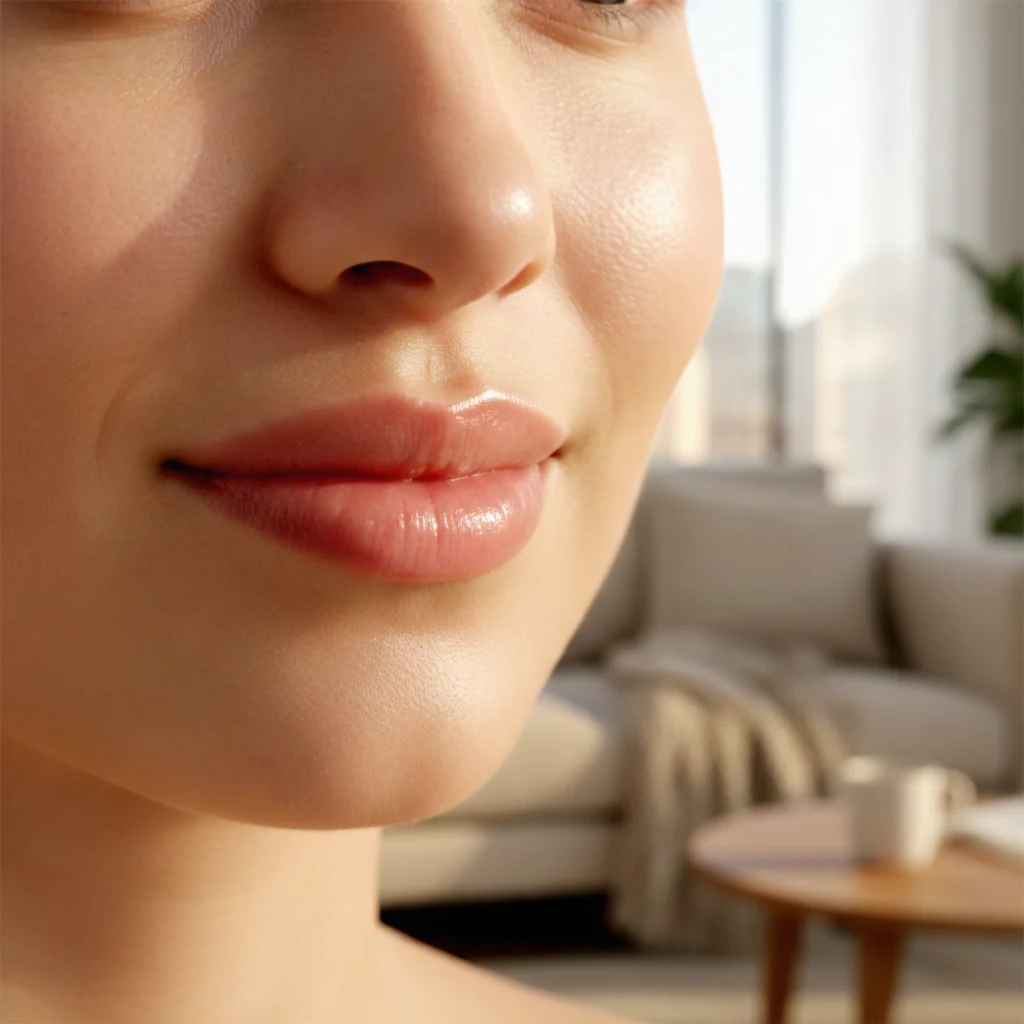

Winter in the USA is a beautiful season of cozy sweaters and pumpkin spice, but for our skin, it can be a total battlefield. Between the biting winds of Chicago, the dry heat of a New York apartment, and the desert air of Arizona, our lips often take the hardest hit. If you’ve ever dealt with that annoying peeling or lipstick that just won’t sit right, you know that a basic $2 chapstick isn’t always enough.
To get those pillowy-soft, “your lips but better” results, you need a strategic duo: a gentle scrub to clear the debris and a high-performance treatment to seal in the goodness. As your beauty editor at My Lifestyle Solutions, I’ve rounded up the science, the trends, and the products you need to maintain a perfect pout all season long.
Why Your Lips Struggle More in Winter
Unlike the rest of your face, your lips don’t have sebaceous (oil) glands. This means they can’t produce their own moisture. When the humidity drops in the winter months, the moisture in your lips evaporates into the air—a process called Trans-Epidermal Water Loss (TEWL).
Without proper care, this leads to:
- Micro-cracking: Small, painful splits in the skin.
- Texture Build-up: Flaky skin that makes lip gloss look patchy.
- Inflammation: Redness and stinging when eating spicy or salty foods.
Phase 1: The Art of Gentle Exfoliation (The Scrub)
Exfoliation is the “prep work” of any good beauty routine. You wouldn’t paint a wall without sanding it first, right? The same applies here.
What to Look for in a USA-Based Lip Scrub
In the American market, we are seeing a shift away from harsh, large-grain sugars toward “melting” formulas. Look for:
- Fine Cane Sugar or Jojoba Beads: These provide physical exfoliation without causing micro-tears.
- Fruit Enzymes (AHAs): Ingredients like papaya or pineapple enzymes gently dissolve dead skin chemically.
- Emollient Bases: Look for Shea Butter or Coconut Oil so the scrub hydrates while it polishes.
How to Scrub Like a Pro
Don’t overdo it! Scrubbing too hard can lead to “lip licking dermatitis.” Use your ring finger to apply light pressure in circular motions for 30 seconds, then rinse with lukewarm—never hot—water.
Phase 2: High-Performance Winter Lip Treatments
Once you’ve cleared away the dry skin, your “fresh” lips are ready to soak up active ingredients. This is where you transition from a basic balm to a treatment.
1. The Overnight Lip Mask (The “Lip Slugging” Trend)
Overnight masks have taken the US by storm. Brands like Laneige and Tatcha popularized this, but the concept is simple: a thick, occlusive layer that works while your body is in repair mode.
- Best for: Deep hydration and morning-after softness.
- Key Ingredient: Hyaluronic Acid and Ceramides.
2. Peptide-Powered Lip Treatments
Peptides are the darlings of the skincare world right now. Unlike wax-based balms that just sit on top, peptide treatments actually help support collagen and give a slight “plumping” effect over time.
- Best for: Anti-aging and volume.
3. Lip Oils
If you hate the sticky feeling of traditional gloss, lip oils are your best friend. They offer a high-shine finish with the benefits of a treatment oil like Camellia or Rosehip.
- Best for: Daytime wear and the “Clean Girl” aesthetic.
DIY Corner: The “Kitchen Cabinet” Lip Polish
If you’re in a pinch before a big date or event, you can make a professional-grade scrub right in your kitchen.
- Recipe: 1 teaspoon of organic brown sugar + 1/2 teaspoon of honey + a drop of olive oil.
- Why it works: Honey is a natural humectant (it pulls moisture into the skin), and brown sugar is softer than white sugar.
Lifestyle Tips for Healthy Lips
Beyond products, your lifestyle plays a huge role in your lip health:
- Hydrate from Within: Drink your water! Dehydration shows up on your lips first.
- Watch the Heat: Central heating is a moisture-killer. Use a humidifier in your bedroom at night.
- Stop Licking! It’s tempting when lips feel dry, but saliva contains digestive enzymes that actually break down the skin of your lips, making them drier.
When to See a Professional
Sometimes, “chapped lips” are actually a condition called Actinic Cheilitis or a vitamin deficiency (specifically B12). If your lips are consistently cracked at the corners (Angular Cheilitis) or don’t improve with treatments, consult your dermatologist.
In the USA, many med-spas now offer “Lip Refresher” treatments—mini Hydrafacials specifically for the lips—which are a great seasonal reset.
FAQs: People Also Ask
Q: Can I use my face scrub on my lips? A: Generally, no. Face scrubs are often too abrasive for the delicate vermillion border of the lips. Stick to products specifically formulated for lip tissue.
Q: How many times a week should I exfoliate? A: For most women, 2 times a week is the sweet spot. If you live in a very harsh climate, you might bump it to 3, but listen to your skin.
Q: Is Vaseline a good lip treatment? A: Vaseline is an occlusive, meaning it locks moisture in, but it doesn’t necessarily add moisture. Apply a hydrating serum or water-based balm first, then “seal” it with Vaseline.
Q: Does SPF matter for lips in the winter? A: Absolutely! UV rays reflect off snow and can cause sun damage even when it’s freezing. Always use a lip treatment with at least SPF 15 during the day.
Conclusion
Softer lips aren’t just about the right product; they’re about a consistent ritual. By pairing a gentle exfoliant with a nutrient-dense treatment, you can keep your smile bright and comfortable all through the winter.
Ready to upgrade your vanity? Check out our latest reviews on the Clean Beauty Lip Brands of 2025 and don’t forget to subscribe to our newsletter for weekly beauty hacks delivered straight to your inbox!